Sport after a total colectomy: my personal experience
- Outdoor life
- March 9, 2020
During a sports medical examination, the doctor asked whether I had any illnesses. I explained that I had undergone a colectomy at sixteen because of familial adenomatous polyposis (FAP). “How much did they remove?” he asked. “All of it,” I replied. He was surprised to hear how active my sporting life was.
My name is Graziano. Six months after my operation I was playing football in a local tournament. Later I discovered ski touring, mountain biking and climbing, and never stopped. Few people know about my surgery. An easy-going attitude has helped me, with a few exceptions.
This is my personal story, not a recovery plan. Operations, bowel function and recovery differ. Discuss returning to exercise, nutrition and hydration with your surgical team. My experience does not establish a timetable or an outcome for somebody else.
Running, hiking, cycling and MTB after colon removal
I had my colon removed at sixteen and have regular follow-up examinations. Apart from the early period, when the scar pulled and I walked bent forwards, the operation has not prevented me from taking part in sport, including races.
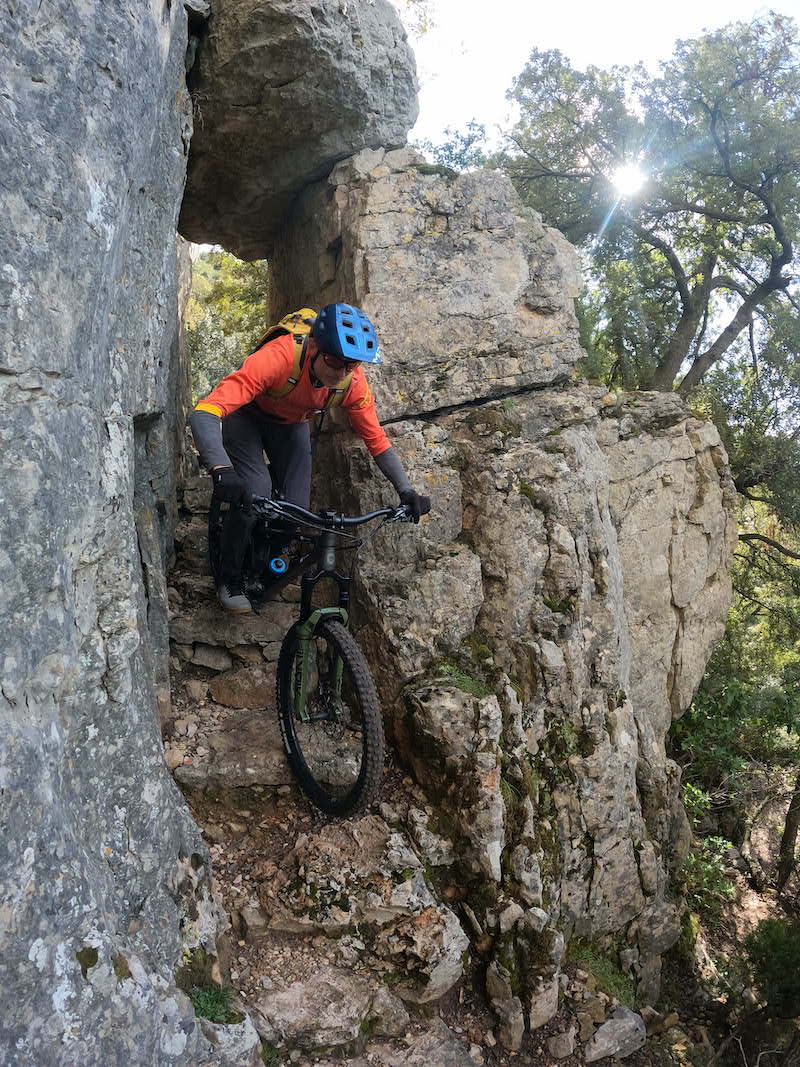
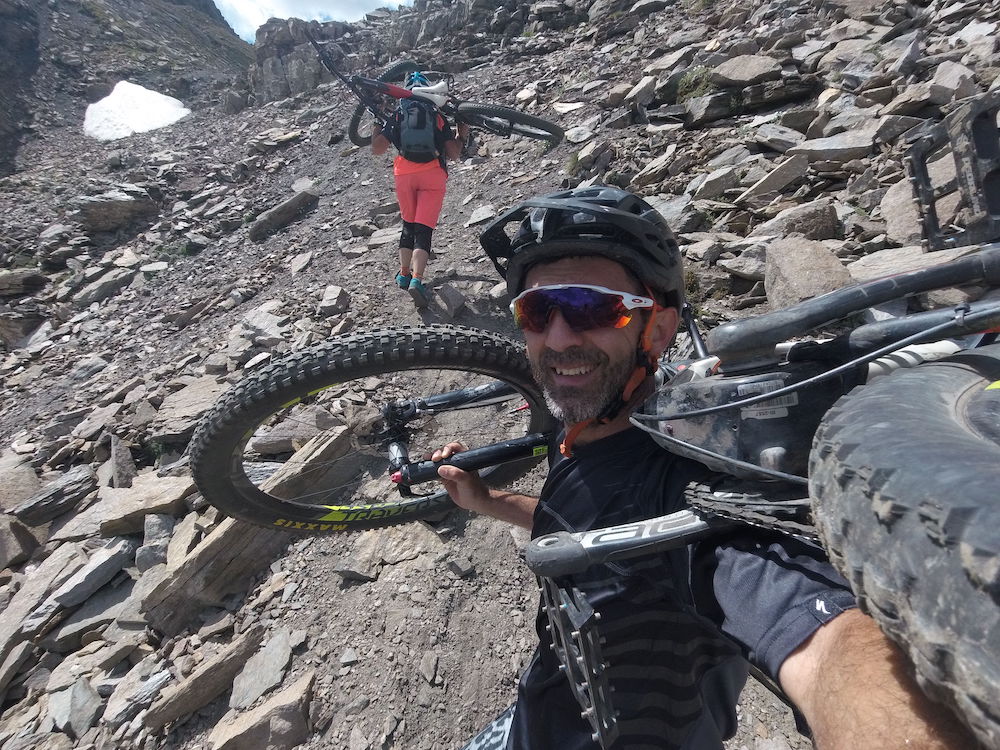
I have entered MTB gran fondos and marathons, including the Sellaronda HERO, as well as running and trail-running races. My hardest efforts, however, have usually been ski-touring days and mountain bike adventures: hours pedalling or carrying the bike, or climbing snowy mountains on touring skis.
For me, cycling after a total colectomy has been possible. That is an account of my own life, rather than a prediction about anyone else’s recovery.

Frequent toilet visits
Paradoxically, I often feel best while doing sport. On a full day in the mountains, I can sometimes go to the toilet in the morning and again in the evening. In my experience, the absence of my colon has not otherwise caused major problems on MTB or ski-touring outings.
I cannot establish the physiological reason from my experience alone. Bowel frequency and fluid losses vary, and my pattern should not be treated as the expected result of exercise.
Food routines that have worked for me
Learning how my body responds has mattered more than following somebody else’s routine. These are personal observations, not a prescribed diet:
- I have tended to drink more between meals and less with meals, because I felt that suited my bowel habits. This must not mean restricting fluid when it is needed.
- Rice, boiled potatoes, bread, bananas and nuts have been foods I choose when I want a predictable day.
- I have learnt to recognise my own transit time. When I eat in a way that suits me, it can be twelve hours or longer.
- Rich sauces, a lot of wine with meals and complicated mixtures of food have sometimes upset my routine.
- A positive attitude helps me cope with the practical side.
- At breakfast I usually avoid milk and choose lemon tea, a banana and plain biscuits.
Food tolerance is individual. A dietitian familiar with your operation can help adapt eating and drinking to your needs.
Sport and hydration without a colon
I pay close attention to hydration on sporting days. I have noticed cramps when I neglect drinking and electrolyte intake, and I prefer small, regular drinks to a large amount at once. These are observations about me, not evidence that one supplement or drinking pattern works for everyone.
Having the colon removed can increase the risk of dehydration. The appropriate balance of fluid and salts depends on the type of surgery and individual losses; my previous references to magnesium and potassium should not be read as a universal replacement strategy. See the Crohn’s & Colitis UK information on dehydration and discuss your own plan with your care team.

The psychological side of outdoor sport
Reading forums about bowel surgery made me realise how much anxiety frequent toilet visits can cause. Some people feel embarrassed about using a toilet away from home, making a noise or needing to stop during an outing. These concerns can make it difficult to leave the house.
My way of coping has been to accept that going to the toilet is a normal bodily need. At a restaurant, I use the toilet rather than waiting until I get home. In the mountains I plan practical stops and carry what I need, including wipes that I take away afterwards.
That attitude has helped me feel less restricted. It does not mean that symptoms are merely psychological: other people may have physical problems or anxiety that require support. I would not want my confidence to minimise what somebody else is experiencing.
Surgery as a teenager and surgery as an adult
I have effectively grown up without my colon, so my routines feel normal to me. My operation was in 1992 and left a long abdominal scar, from above the navel towards the pubis. My sixteen-year-old body recovered well.
Facing surgery later in life may feel different, especially for someone who already has an established sporting routine. The fear of losing an important part of your life is understandable. My story shows what has been possible for one person; it cannot guarantee an equivalent recovery or performance level.
Surgical techniques and individual procedures differ. I cannot claim that every modern operation avoids muscle effects or adhesions. For general recovery information, see the NHS guidance on getting back to normal after surgery.
Finding a positive way forward
I see returning to outdoor sport as one of the challenges I have learnt to face. That is a personal way of looking at my experience, not a medical benefit of having the colon removed. The colon has important functions, and I do not claim that removing it prevents the body from retaining harmful substances or that the remaining bowel always replaces its functions completely.
If you would like to ask about my experience, write to me: Graziano.